

Understanding HMI Displays
Human-Machine Interface (HMI) displays are crucial components in modern electronic systems, facilitating seamless interaction between users and machines. These displays serve as the point of contact for operators, allowing for intuitive control and monitoring of various processes. HMI displays can take numerous forms, including touchscreens, push buttons, and visual indicators, each designed to enhance user engagement and operational efficiency.
The primary function of HMI displays is to provide information and control to the user in an accessible manner. By enabling operators to view real-time data and system statuses, these displays play a significant role in decision-making processes across many industries. For example, in manufacturing environments, HMI displays are often used on production lines to manage workflows and ensure quality control. In healthcare, they facilitate patient monitoring and equipment controls, enabling medical staff to respond promptly to changing conditions. Similarly, in automotive applications, HMI displays are integral to dashboard interfaces that provide drivers with vital information about vehicle performance and navigation.
Types of Display Modules for HMI
Human-Machine Interfaces (HMI) are crucial for interaction between users and machines, and the choice of display modules significantly affects functionality and user experience. There are several types of display modules available for HMI applications, each exhibiting unique characteristics, advantages, and disadvantages. These can be categorized based on technology: LCD (Liquid Crystal Display), OLED (Organic Light Emitting Diode), and LED (Light Emitting Diode).
LCD display modules are one of the most commonly used types due to their cost-effectiveness and excellent color reproduction. They are available in various sizes and resolutions, making them suitable for a range of applications, from industrial machinery to consumer electronics. However, they have limitations in terms of viewing angles and response times, which can hinder their performance in certain HMI environments.
Display Modules
Showing all 4 results
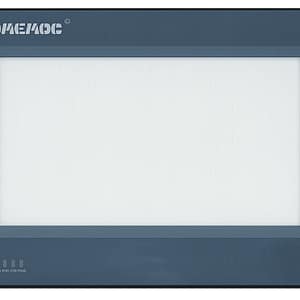


Design Considerations for HMI Display Modules
When selecting and implementing display modules for Human-Machine Interfaces (HMI), several key design considerations must be taken into account to ensure optimal usability and performance. One of the primary considerations is screen size. The dimensions of the display should be appropriate for the intended application, balancing visibility with space constraints in the installation environment. A larger screen can offer better visibility, while a smaller one can save physical space yet maintain functionality.
Another critical factor is resolution. Display modules with higher resolution generally provide clearer and more detailed information, which can enhance user interaction. However, it is important to weigh the advantages of high-resolution displays against potential costs and processing requirements. Furthermore, the brightness of the display is vital, especially for outdoor applications or environments with strong ambient light. A display with adjustable brightness levels can help improve visibility in varying lighting conditions.
Future Trends in HMI Display Technology
As the landscape of human-machine interfaces (HMI) continues to evolve, several significant trends and innovations are shaping the future of display modules used in these systems. Among the forefront of these advancements is the integration of augmented reality (AR). AR technology overlays digital information onto the real world, providing users with a more interactive and informative experience. This approach not only enhances understanding but also allows for more intuitive control of machinery and devices, improving overall efficiency in various applications.
Another prominent trend is the advancement in flexible and foldable displays. These display modules offer unprecedented versatility, allowing for screens that can be integrated into all forms of surfaces – from wearable devices to large-scale installations. The lightweight and adaptable nature of flexible displays opens up new opportunities for industrial applications, ergonomics, and spaces that were previously limited by rigid display technologies.